Tree Branch Cutting in Allentown, PA
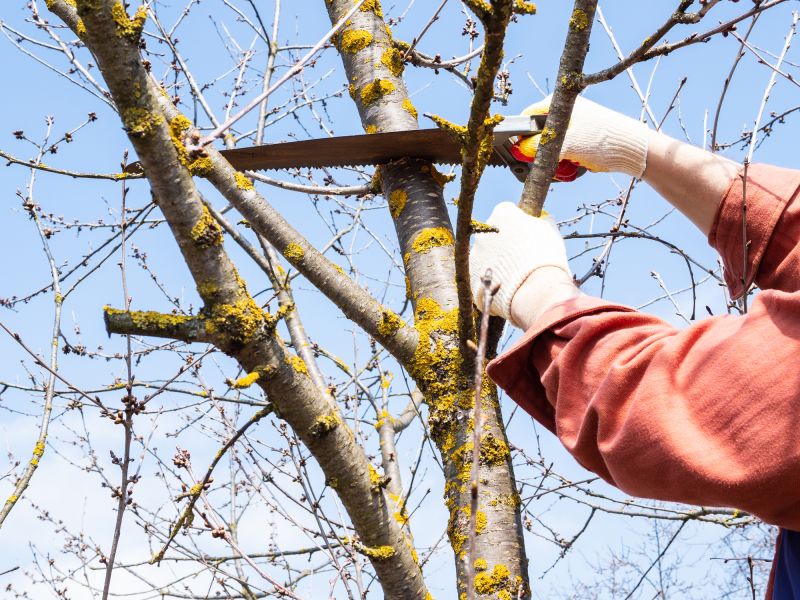
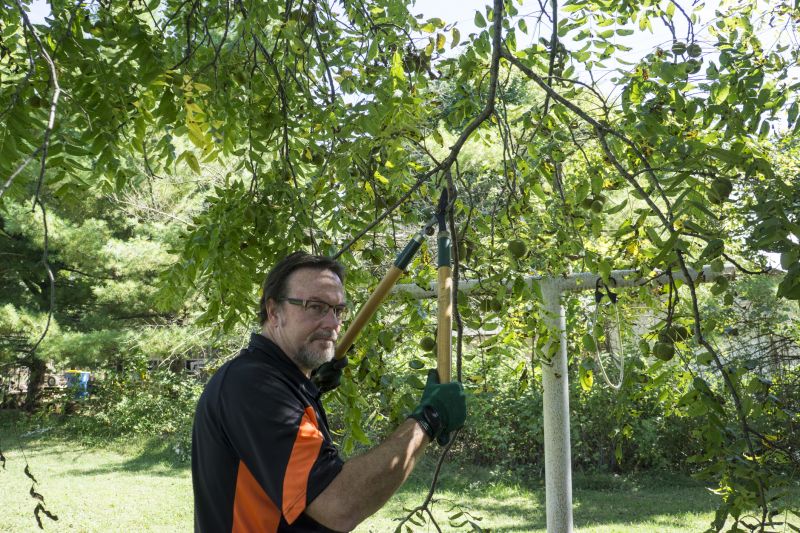
Tree branch cutting services involve trimming and removing specific branches to improve the health, safety, and appearance of trees on residential properties. This service covers a variety of projects, including pruning overgrown branches, removing dead or damaged limbs, and thinning out dense areas to reduce the risk of falling debris or property damage. Homeowners often request branch cutting to maintain the safety of walkways and structures, promote healthy growth, or prepare trees for seasonal storms.
Before requesting tree branch cutting, property owners should consider the location of the branches relative to structures, power lines, and other trees. It’s important to identify which branches need removal and understand any potential impact on the overall health of the tree. Proper assessment ensures that trimming is done effectively without harming the tree’s growth pattern or stability. Clear communication about the scope of work and specific concerns can help facilitate a safe and efficient process.
Many property owners in Allentown, PA look into Tree Branch Cutting for repairs, replacements, upgrades, and appearance-related improvements.
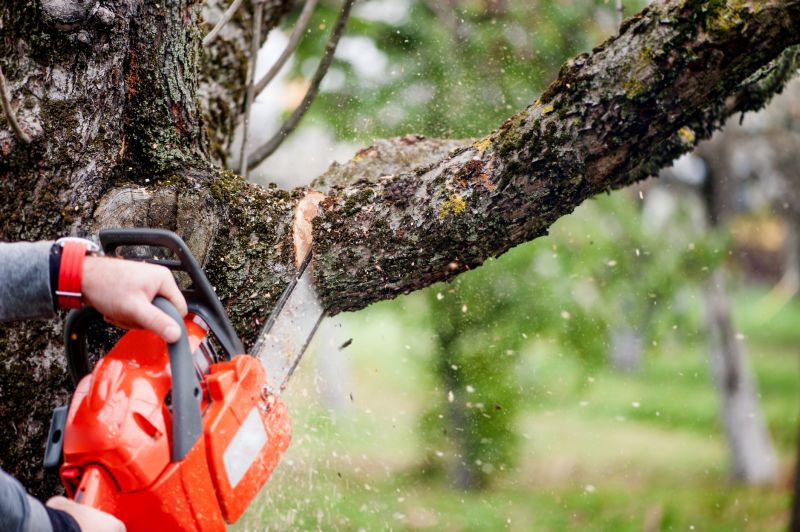
Tree Branch Removal
Careful trimming of overhanging or damaged branches enhances tree health and safety.
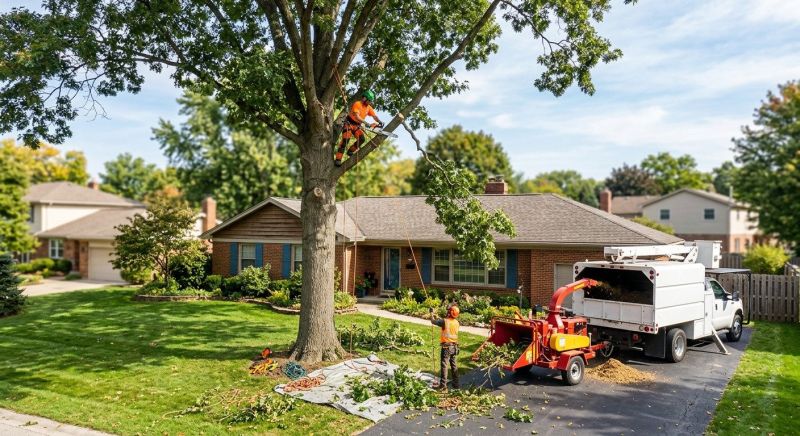
Property Safety & Maintenance
Pruning loose or hazardous branches reduces the risk of property damage during storms.
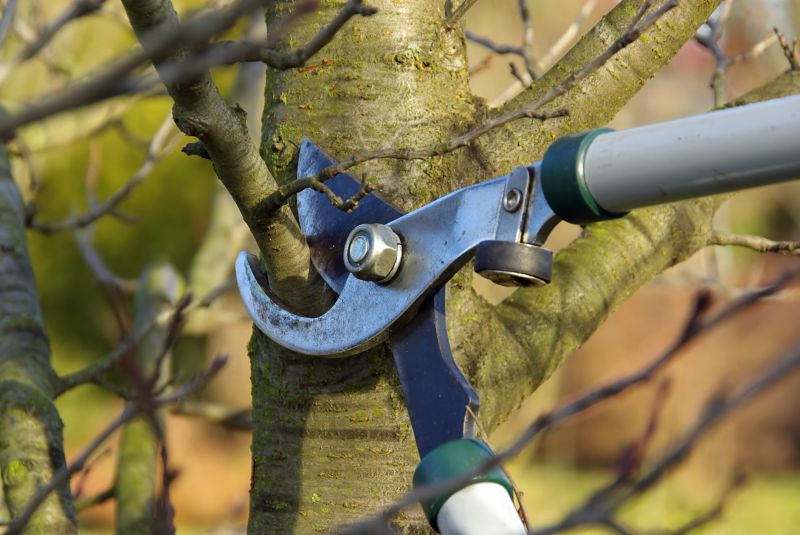
Landscape Enhancement
Selective branch cutting can improve sunlight exposure and overall landscape appearance in allentown neighborhoods.
Tree Branch Cutting in Allentown, PA

Tree branch cutting services involve trimming and removing specific branches to improve the health, safety, and appearance of trees on residential properties. This service covers a variety of projects, including pruning overgrown branches, removing dead or damaged limbs, and thinning out dense areas to reduce the risk of falling debris or property damage. Homeowners often request branch cutting to maintain the safety of walkways and structures, promote healthy growth, or prepare trees for seasonal storms.
Before requesting tree branch cutting, property owners should consider the location of the branches relative to structures, power lines, and other trees. It’s important to identify which branches need removal and understand any potential impact on the overall health of the tree. Proper assessment ensures that trimming is done effectively without harming the tree’s growth pattern or stability. Clear communication about the scope of work and specific concerns can help facilitate a safe and efficient process.
Many property owners in Allentown, PA look into Tree Branch Cutting for repairs, replacements, upgrades, and appearance-related improvements.
Common Tree Branch Cutting Jobs
Tree branch removal - safely cuts away overgrown or damaged branches to improve tree health.
Dead branch trimming - removes dead or decaying branches to prevent potential hazards.
Storm damage cleanup - clears broken or fallen branches caused by severe weather events.
Crown thinning - reduces branch density to allow more sunlight and airflow through the canopy.
Selective pruning - shapes trees and manages growth to maintain property aesthetics.
Emergency branch removal - quickly addresses hazardous branches threatening structures or power lines.
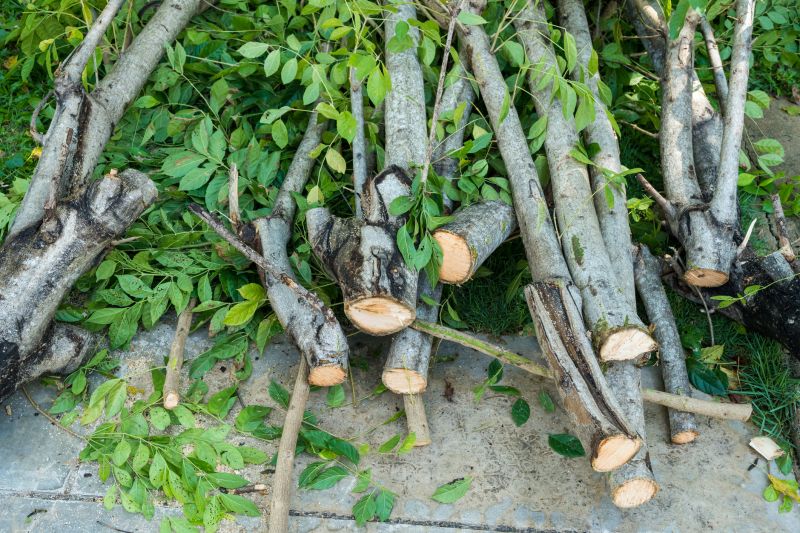
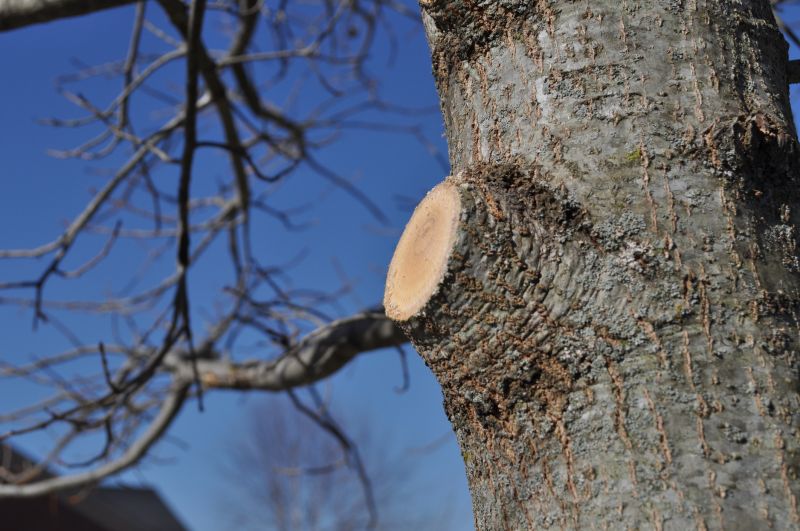
Tree Branch Cutting Questions
Why is tree branch cutting important for property maintenance? Removing overgrown or damaged branches helps maintain tree health and prevents potential property damage from falling limbs.
What types of branches are typically removed? Dead, diseased, or crossing branches are commonly trimmed to improve tree structure and safety.
Is branch cutting suitable for all tree types? Most trees benefit from branch trimming, but the approach varies depending on species and age.
When is the best time to schedule tree branch trimming? The ideal time is during dormancy periods, usually late winter or early spring, before new growth begins.
Request Tree Branch Cutting in Allentown, PA
Use the quote form on this page to share the basics of your project and request more information for the type of work you need.