Tree Canopy Thinning in Allentown, PA
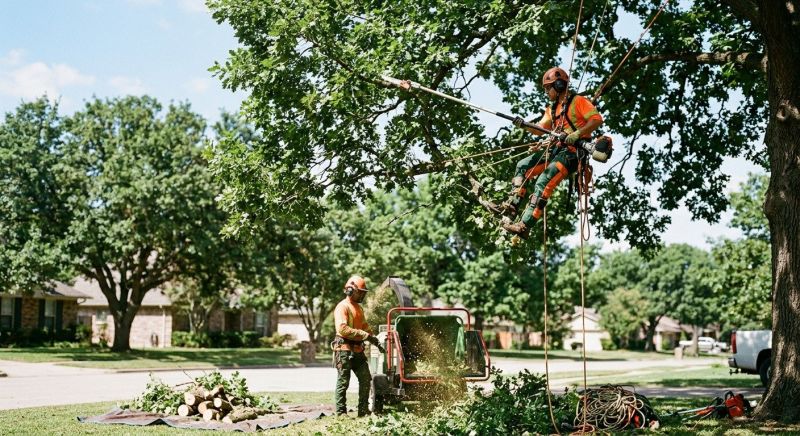
Tree canopy thinning services involve selectively removing branches and foliage to improve the overall health, safety, and appearance of trees on residential properties. This process can be useful for a variety of projects, such as reducing excessive shade, preventing branch overgrowth that may threaten structures or power lines, and promoting better air circulation within the canopy. Homeowners often consider canopy thinning when they want to enhance sunlight exposure, reduce the risk of falling branches, or address concerns about tree stability and health.
Before requesting canopy thinning, property owners typically want to understand the scope of the work, including which branches will be removed and how it will affect the tree’s structure. It’s also important to consider the timing and frequency of thinning to ensure the health of the tree is maintained. Clarifying goals-such as improving safety, aesthetics, or tree longevity-can help determine the most appropriate approach for each project.
Many property owners in Allentown, PA look into Tree Canopy Thinning for repairs, replacements, upgrades, and appearance-related improvements.
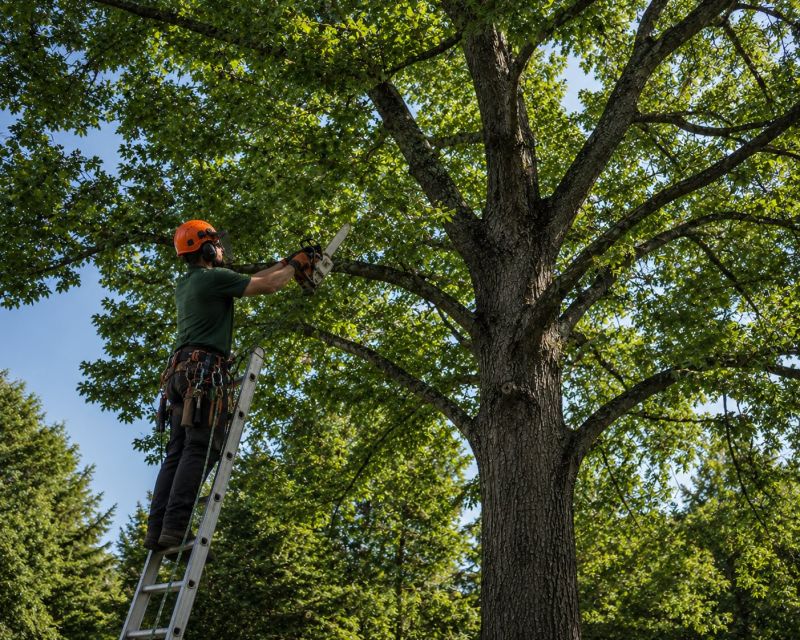
Tree Canopy Thinning Benefits
Thinning can improve sunlight penetration and air circulation for healthier trees.
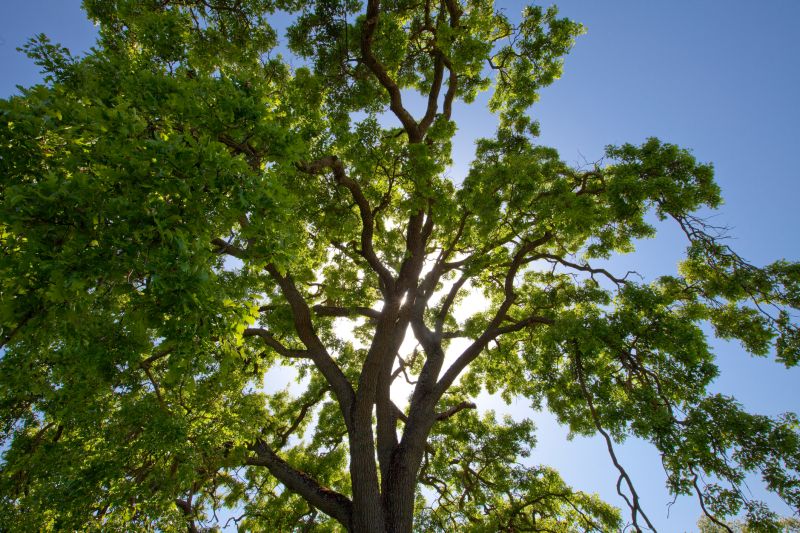
Common Reasons For Thinning
Property owners often request thinning to reduce weight and prevent storm damage.
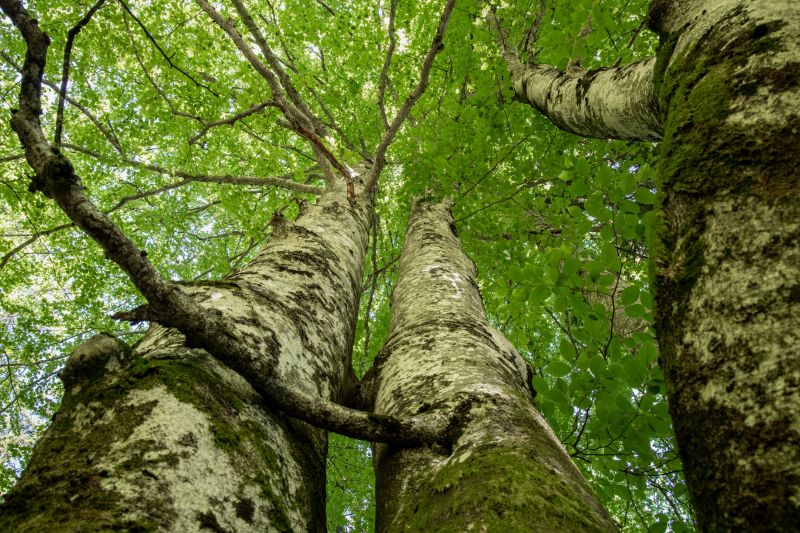
Considerations Before Thinning
Proper assessment ensures that thinning enhances tree health without causing harm to the landscape.
Tree Canopy Thinning in Allentown, PA
Tree canopy thinning services involve selectively removing branches and foliage to improve the overall health, safety, and appearance of trees on residential properties. This process can be useful for a variety of projects, such as reducing excessive shade, preventing branch overgrowth that may threaten structures or power lines, and promoting better air circulation within the canopy. Homeowners often consider canopy thinning when they want to enhance sunlight exposure, reduce the risk of falling branches, or address concerns about tree stability and health.
Before requesting canopy thinning, property owners typically want to understand the scope of the work, including which branches will be removed and how it will affect the tree’s structure. It’s also important to consider the timing and frequency of thinning to ensure the health of the tree is maintained. Clarifying goals-such as improving safety, aesthetics, or tree longevity-can help determine the most appropriate approach for each project.
Many property owners in Allentown, PA look into Tree Canopy Thinning for repairs, replacements, upgrades, and appearance-related improvements.
Common Tree Canopy Thinning Jobs
Tree Canopy Thinning - selective removal of branches to improve tree health and structure.
Storm Damage Prevention - reducing canopy density to minimize risk during severe weather events.
Sunlight Access - thinning to allow more light to reach the ground and surrounding plants.
Growth Management - controlling tree size and shape for safety and aesthetic purposes.
Deadwood Removal - safely removing dead or diseased branches to promote overall tree vitality.
Property Clearance - thinning to prevent branches from interfering with structures or utility lines.
Tree Canopy Thinning Questions
What is tree canopy thinning? Tree canopy thinning involves selectively removing branches to reduce the density of a tree's foliage, improving light and air flow.
Why consider canopy thinning? Thinning can help prevent overgrown branches from causing damage, promote healthier growth, and improve the overall appearance of the tree.
Which trees benefit from canopy thinning? Mature trees with dense or crowded branches, especially those near structures or power lines, often benefit from thinning services.
Is canopy thinning safe for trees? When performed properly, thinning supports the tree’s health by reducing stress and preventing branch failure.
Request Tree Canopy Thinning in Allentown, PA
Use the quote form on this page to share the basics of your project and request more information for the type of work you need.